Buying a used motorcycle can be a smart financial decision. A well-maintained second-hand bike from brands like Hero, Honda, Bajaj, TVS, Royal Enfield, Yamaha, Suzuki, KTM, or Jawa can serve you reliably for years. However, the previous owner's maintenance habits directly affect how the bike rides today.
This guide walks you through every system on your newly purchased used bike, explains what to inspect, when to replace parts, and recommends trusted products available on Amazon India. We focus on safety-first items, real-world costs, and practical advice for Indian riding conditions.
1. Initial Inspection After Buying the Bike
Before turning a single wrench, do a thorough visual inspection. Park the bike on its main stand on level ground and go around it systematically. This 30-minute walkaround will tell you where to focus your efforts.
What to Look For
- Oil leaks: Check under the engine, around the fork seals, and near the brake calipers. Fresh oil spots indicate active leaks.
- Rust: Inspect the frame, exhaust, chain, and spoke wheels. Surface rust on chrome can be polished, but deep rust on structural components is a red flag.
- Cracks and dents: Look at the fuel tank, side panels, and fenders. Dented tanks can cause fuel level reading issues.
- Wiring condition: Check for exposed wires, electrical tape patches, or corroded connectors.
- Tyre condition: Look for cracks on sidewalls, uneven wear, and bulges.
- Fluid levels: Check engine oil sight glass, coolant reservoir (if liquid-cooled), and brake fluid levels.
- Lights and indicators: Turn the key to ON and check all lights, indicators, horn, and instrument cluster.
Parts to Inspect
| Component | What to Check | Red Flags |
|---|---|---|
| Engine exterior | Oil seepage, gasket condition | Wet patches around gaskets |
| Fuel tank | Rust inside, dents, paint quality | Brown fuel, rust flakes in petcock |
| Exhaust | Rust, holes, mounting bolts | Black soot spots indicating leaks |
| Frame | Cracks, bends, weld repairs | Any structural repair history |
| Forks | Oil leaking from seals, tube pitting | Oil on fork tubes, pitting marks |
| Chain | Tight spots, rust, link condition | Stiff links, excessive slack |
| Wheels | Spoke tension, rim dents, brake disc thickness | Loose spokes, warped rims |
2. Engine Oil and Oil Filter
This is the single most important thing to do after buying a used bike. You have no way to verify when the oil was last changed or what grade was used. Old oil loses its lubricating properties, accumulates metal particles, and can cause premature engine wear.
What to Do
- Drain the old engine oil completely while the engine is warm
- Replace the oil filter
- Refill with the correct grade and quantity as specified in your owner's manual
- Run the engine for 2 minutes, then recheck the oil level
Recommended Engine Oils
Motul 7100 4T 10W-40 Fully Synthetic Engine Oil (1 L)
- Fully synthetic for superior engine protection
- Excellent wet clutch compatibility
- Ideal for Indian riding conditions and temperatures
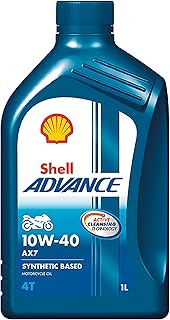
Shell Advance AX7 10W-40 Synthetic Engine Oil (1 L)
- Active clean technology reduces engine deposits
- Suitable for both commuter and performance bikes
- Meets JASO MA2 specifications
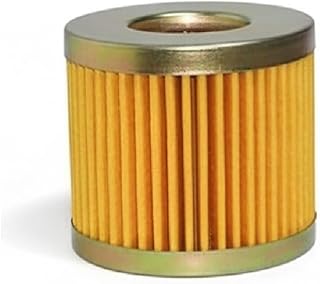
Universal Motorcycle Oil Filter (Hero, Honda, Bajaj, TVS)
- High filtration efficiency for engine protection
- Compatible with most Indian motorcycle brands
- Replace every oil change for best results
3. Air Filter
A clogged air filter restricts airflow to the engine, reducing power, increasing fuel consumption, and causing the engine to run rich. On a used bike, the air filter condition is unknown, so inspect and replace if dirty.
Inspection Steps
- Remove the air filter cover (usually under the seat or side panel)
- Hold the filter up to a light source. If light does not pass through evenly, replace it.
- Check for oil contamination, tears, or deformity
- Paper filters cannot be cleaned and must be replaced. Foam filters can be washed with petrol and re-oiled.
4. Coolant (Liquid-Cooled Bikes Only)
If your used bike is liquid-cooled (Royal Enfield Himalayan, KTM Duke/RC, Yamaha R15, Bajaj Dominar, Honda CB300R), check the coolant level and condition.
What to Check
- Coolant level in the reservoir should be between MIN and MAX marks
- Coolant color should be bright green, blue, or red depending on the type. Brown or murky coolant must be flushed.
- Check for leaks around hose clamps, radiator, and water pump
- Inspect radiator fins for damage or blockage
5. Brake System
Brakes are safety-critical. A used bike's brake pads may be worn down, brake fluid may be old and moisture-contaminated, and brake lines may be deteriorating. This section gets priority attention.
Disc Brakes
- Check brake pad thickness. If less than 1mm of friction material remains, replace immediately.
- Inspect brake disc for scoring, warping, or minimum thickness markings
- Check brake fluid level and color. Dark or black fluid needs flushing.
- Squeeze the brake lever. It should be firm, not spongy. Spongy feel indicates air in the lines.
Drum Brakes
- Check brake pedal/play. Excessive travel means worn shoes.
- Inspect brake cam and lever for smooth operation
- Adjust brake shoes if play is excessive
Recommended Brake Products
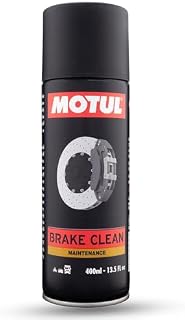
Motul Brake Clean Brake Parts Cleaner (500 ml)
- Removes brake dust, grease, and oil from calipers
- Fast evaporating, leaves no residue
- Safe for disc brake components
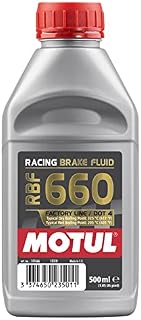
Motul DOT 4 Brake Fluid (500 ml)
- High boiling point for consistent braking performance
- Wet boiling point suitable for Indian humid conditions
- Compatible with most Indian motorcycle brake systems
6. Tyres
Worn tyres are dangerous, especially on Indian roads where monsoon grip is critical. Check tread depth, sidewall condition, and age of the tyres.
How to Check Tyre Condition
- Tread depth: The legal minimum in India is 1mm. Use a tread depth gauge for accurate measurement. Replace if below 1.5mm.
- Side wall cracks: Cracks indicate rubber degradation. Replace immediately.
- Bulges: Any bulge means internal structure failure. Replace immediately.
- Tyre age: Check the DOT code on the sidewall. Tyres older than 5 years should be replaced regardless of tread condition.
- Uneven wear: Indicates alignment or suspension issues that need addressing.
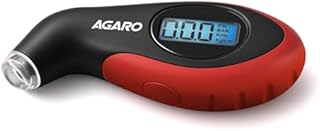
Tyre Pressure Gauge Digital (0-150 PSI)
- Digital display for accurate readings
- Backlit screen for low-light use
- Check tyre pressure weekly for safety and mileage
7. Chain and Sprockets
The chain and sprocket set is a wear item that degrades over time. A neglected chain accelerates sprocket wear and can even snap at speed, which is extremely dangerous.
Inspection Steps
- Check chain tension. Most bikes need 20-30mm of vertical play at the midpoint of the lower run.
- Rotate the rear wheel and feel for tight spots. If the chain has alternating tight and loose spots, it is unevenly stretched and needs replacement.
- Inspect sprocket teeth. Worn teeth look hooked or pointed. Count teeth for evenness.
- Look for rust, kinked links, and O-ring damage.
- Clean and lubricate the chain. If it does not improve after cleaning, replace it.
Recommended Chain Maintenance Products
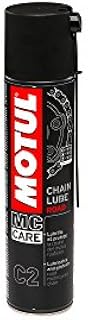
Motul Chain Lube Road 400 ml
- All-weather lubricant for O-ring, X-ring, and standard chains
- Excellent water resistance for monsoon riding
- Reduces chain wear and noise significantly
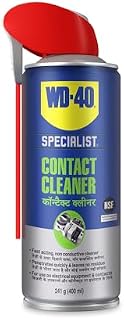
WD-40 Specialist Degreaser (500 ml)
- Multi-purpose degreaser for chains and sprockets
- Affordable and widely available
- Effective on old grease and grime
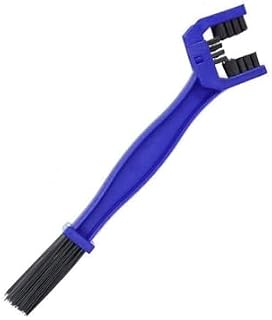
3-Sided Motorcycle Chain Cleaning Brush
- 3-sided bristle design cleans all sides of the chain
- Reusable and durable construction
- Essential tool for chain maintenance
8. Battery and Charging System
A weak battery causes hard starting, dim lights, and can leave you stranded. Used bike batteries are often at the end of their life, especially if the bike sat unused for weeks.
How to Test the Battery
- Use a multimeter to check voltage across the battery terminals. A healthy battery reads 12.6V or higher when the engine is off.
- With the engine running, voltage should be 13.5V to 14.5V. Lower voltage indicates a charging system problem.
- If the bike struggles to crank, the battery is likely weak.
- Check battery terminals for white or green corrosion. Clean with a wire brush and apply petroleum jelly.
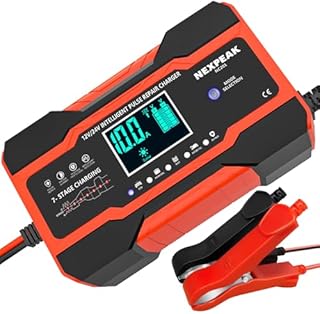
Battery Tender Junior 12V Charger/Maintainer
- Automatically switches between charge and maintenance modes
- Prevents overcharging and extends battery life
- Ideal for bikes that are not ridden daily
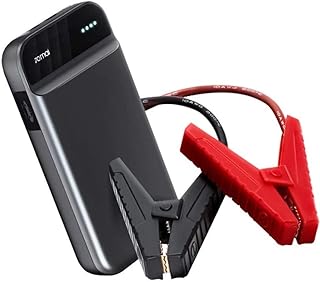
70mai Jump Starter 12V (600A Peak, 11100mAh)
- 600A peak current jump starts petrol engines up to 4.0L
- Doubles as a power bank for charging devices
- Compact enough to carry on long rides
9. Spark Plug and Ignition
A fouled or worn spark plug causes misfires, rough idling, poor fuel economy, and hard starting. Spark plugs are cheap and easy to replace, making this a no-brainer on a used bike.
What to Check
- Remove the spark plug and inspect the electrode. A healthy plug has light tan or gray deposits.
- Black, sooty deposits indicate running rich. White deposits indicate running lean.
- Check the electrode gap with a feeler gauge. Refer to your owner's manual for the correct gap.
- Inspect the plug cap and HT lead for cracks or carbon tracking.
10. Clutch
A slipping clutch loses power and wastes fuel. An overly heavy clutch causes hand fatigue. Both are common on used bikes with high mileage.
How to Test Clutch Health
- Slip test: Ride in 4th or 5th gear at 40 km/h, hold the throttle steady, and press the rear brake firmly. If the engine revs rise without a corresponding increase in speed, the clutch is slipping.
- Engagement point: The clutch should engage smoothly in the first third of lever travel. If engagement is at the very end, the clutch cable needs adjustment or the plates are worn.
- Lever feel: A heavy lever indicates a worn cable or a clutch mechanism that needs lubrication.
11. Gear Shifting
Smooth gear shifting is a sign of a healthy transmission. If the bike struggles to shift, jumps gears, or makes clunking sounds, investigate further.
Common Gear Issues and Causes
| Symptom | Likely Cause | Fix |
|---|---|---|
| Gear won't engage | Clutch cable too tight, worn clutch plates | Adjust cable, replace plates if needed |
| Gears jump out | Worn shift forks, low oil level | Check oil level first, then professional inspection |
| Hard shifting | Dry shift linkage, old gear oil | Lubricate linkage, change gear oil |
| False neutral | Worn dogs on gears, weak return spring | Professional inspection needed |
12. Suspension
Worn suspension affects ride quality, handling, and braking stability. Fork oil leaks and worn rear shock absorbers are common on used bikes.
Fork Inspection
- Look for oil leaking from the fork seal area (wet rings around the fork tube)
- Bounce the front fork. It should compress and rebound smoothly without any clunking.
- Check for pitting on the fork tubes. Pits will damage new seals quickly.
- Check fork tube alignment by sighting from the front.
Rear Shock Inspection
- Bounce the rear seat. The shock should damp the bounce within 2-3 oscillations.
- Check for oil leaks on the shock body.
- Inspect the shock mounting bushings for play.
13. Wheel Bearings
Worn wheel bearings cause wobbling, clicking sounds, and poor handling. They are a safety-critical item that should not be ignored.
How to Check
- Put the bike on the main stand. Grab the wheel at 12 o'clock and 6 o'clock positions and try to rock it.
- Any play or clunking indicates worn bearings.
- Spin the wheel and listen. A grinding or rumbling noise from the hub indicates bearing failure.
- Check for axle tightness. A loose axle can mimic bearing play.
14. Steering Head Bearings
The steering head bearings (also called taper rollers or ball bearings) affect how the bike handles. Worn bearings cause wobbling at speed and vague steering feel.
How to Check
- Place the bike on the main stand. Hold the front wheel between your knees and try to turn the handlebars.
- There should be smooth resistance with no notchy or rough feeling.
- While riding, if the handlebars wobble at moderate speeds (60-80 km/h), the steering bearings may be worn.
- Check for any clunking when applying the front brake.
15. Fuel System
Old fuel, rusted tanks, and clogged fuel lines cause starting problems, power loss, and engine damage. A used bike may have sat with fuel in the tank for weeks or months.
What to Inspect
- Drain the fuel tank and check for rust particles or debris
- Inspect the fuel filter (if externally mounted). Replace if dirty.
- Check fuel lines for cracks, brittleness, or swelling
- Inspect the petcock for smooth operation and leaking
- If the tank has significant rust, use a fuel tank cleaner or consider a tank replacement
3M Fuel System Cleaner (250 ml)
- Cleans fuel injectors and carburetor jets
- Removes carbon deposits from valves and combustion chamber
- Pour directly into the fuel tank before filling up
16. Carburetor or Fuel Injector Cleaning
Old fuel leaves varnish deposits in carburetor jets and fuel injector nozzles. This causes poor fuel atomization, rough idling, and reduced performance.
Carburetor Bikes (Older Models)
- Remove the carburetor and disassemble it carefully
- Soak all metal parts in carburetor cleaner
- Use compressed air to clear all jets and passages
- Replace the carburetor rebuild kit (float, needle valve, gaskets) if available
- Reinstall and adjust the idle mixture screw
Fuel Injected Bikes (Newer Models)
- Use a fuel system cleaner additive in the tank for regular maintenance
- For severely clogged injectors, professional ultrasonic cleaning is recommended
- Replace the fuel filter at regular intervals
WD-40 Specialist Contact Cleaner (500 ml)
- Safely cleans electrical contacts and connectors
- Evaporates quickly without residue
- Ideal for throttle position sensors and ignition connectors
17. Electrical System
Electrical problems on used bikes range from dim headlights to non-functional indicators. Corroded connectors and aged wiring are common culprits.
What to Check
- Headlight: Check both low and high beam. A dim headlight may indicate a weak battery or failing regulator.
- Indicators: All four should flash at a normal rate. Slow flashing indicates a blown bulb.
- Horn: Should sound loud and clear. Weak sound indicates low voltage.
- Instrument cluster: Check all warning lights. Neutral light, oil pressure light, and side stand indicator should all function.
- Charging output: With a multimeter, check battery voltage at idle (should be 13.5-14.5V). Lower voltage indicates a failing stator or regulator.
18. Nuts and Bolts Inspection
Vibration loosens fasteners over time. A thorough nut and bolt check prevents parts from falling off during rides.
Critical Fasteners to Check
- Axle nuts (front and rear) - torque to spec
- Engine mounting bolts
- Exhaust flange nuts
- Handlebar clamp bolts
- Seat mounting bolts
- Rear shock mounting bolts
- Brake caliper bolts
- Swingarm pivot bolt
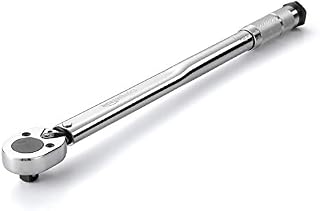
Torque Wrench 1/2" Drive (10-110 Nm)
- Ensures bolts are tightened to manufacturer specification
- Prevents over-tightening which can strip threads
- Calibrated accuracy within +/- 3%
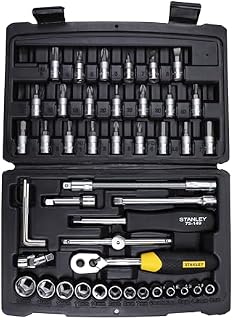
Stanley 45-Piece Socket Set (1/4" + 1/2" Drive)
- Covers most bolt sizes on Indian motorcycles
- Includes extension bars and universal joints
- Durable carrying case for organization
19. Rubber Parts and Hoses
Rubber degrades over time. On a used bike, check all rubber components for cracks, brittleness, or swelling.
Items to Inspect
| Rubber Part | Location | Check For |
|---|---|---|
| Fork boots/gaiters | Over fork tubes | Tears, cracks, hardening |
| Fuel lines | From tank to carb/injector | Cracks, swelling, brittleness |
| Vacuum lines | Behind carburetor | Cracks, hardening |
| Coolant hoses | Engine to radiator (liquid-cooled) | Swelling, cracks, leaks |
| Handlebar grips | Handlebar ends | Torn, hardened, slippery |
| Rubber mounting bushes | Engine, footpegs, swingarm | Cracked, collapsed, excessive play |
20. Cables and Controls
Cables stretch, fray, and corrode. Smooth cable operation is essential for clutch and throttle control.
Cable Inspection
- Throttle cable: Should snap back when you release the throttle. Sticky return means it needs lubrication or replacement.
- Clutch cable: Should operate smoothly with consistent resistance throughout the lever travel.
- Speedometer cable: Check for accurate reading. Erratic needle movement indicates a worn cable or drive gear.
- Cable condition: Look for fraying at the ends, kinks in the outer sheath, and rust.
21. Cleaning and Detailing
A clean bike is easier to inspect and maintain. Cleaning also reveals hidden issues like cracked paint, loose fasteners, and oil leaks that dirt may be hiding.
Recommended Cleaning Products
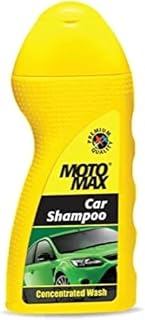
Moto Max Motorcycle Shampoo (500 ml)
- pH-neutral formula safe for all paint and chrome
- Produces rich foam that lifts dirt without scratching
- Concentrated formula lasts for many washes
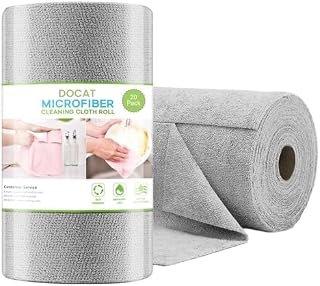
Microfiber Cleaning Cloths (Pack of 6)
- Lint-free and scratch-free drying and polishing
- Soft enough for paint, chrome, and glass
- Machine washable and reusable
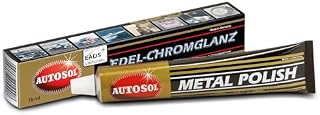
Autosol Metal Polish (75 ml)
- Restores shine to chrome, aluminum, and stainless steel
- Removes oxidation and light surface rust
- Works excellently on exhaust, mirrors, and engine covers
Meguiar's Ultimate Black Plastic Restorer (236 ml)
- Restores faded black plastic trim and fenders
- UV protection prevents future fading
- Long-lasting finish that resists washing off
Vista Auto Care Helmet Kleen (125 ml)
- Antibacterial disinfectant foam removes sweat and odour
- Safe for all helmet liner materials and hair
- Quick spray-on application
Wash Accessories
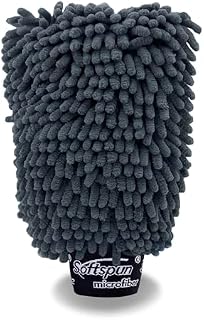
Microfiber Wash Mitt for Cars and Bikes
- Soft microfiber strands trap dirt particles safely
- Large surface area for efficient washing
- Machine washable for reuse
22. Essential Riding Accessories
Beyond restoration, these accessories add safety and convenience to your used bike.
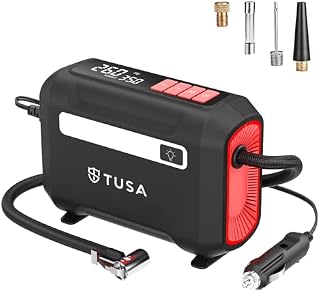
Portable Tyre Inflator 12V Digital (150 PSI)
- Digital pressure gauge for accurate inflation
- Plugs into your bike's 12V socket
- Inflates a motorcycle tyre in 3-5 minutes
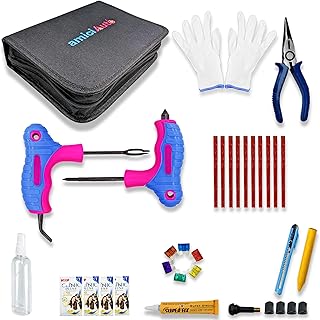
amiciAuto Tubeless Tyre Puncture Repair Kit
- 2-in-1 reamer tool with mushroom plug options
- Premium storage bag fits under the seat
- Get going again without waiting for roadside help
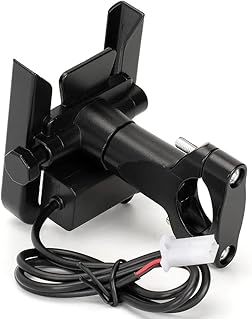
Motorcycle Mobile Phone Holder with USB Charger
- Anti-vibration design protects phone camera
- Built-in USB port for navigation power
- Waterproof and dustproof construction
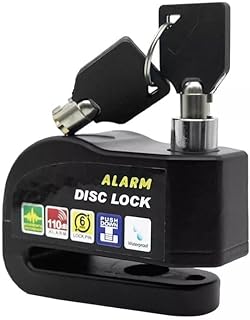
Motorcycle Disc Lock with Alarm (110 dB)
- 110 dB alarm deters theft attempts
- Compact design fits under the seat
- Bright reminder cable prevents riding off with the lock on
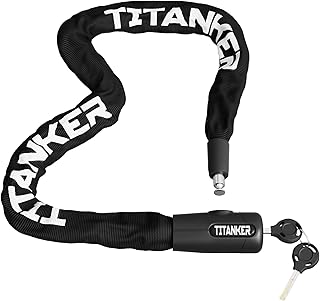
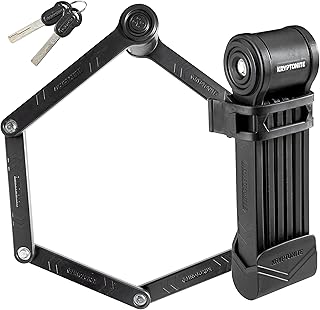
Titanker Motorcycle Chain Lock (1m, 8mm hardened steel)
- 8mm hardened steel links resist cutting
- Protective cloth sleeve prevents paintwork scratches
- Use with a disc lock for layered security
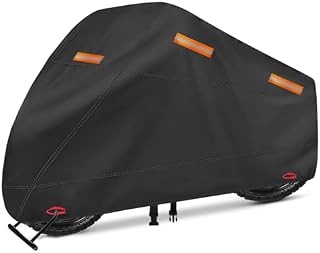
Waterproof Motorcycle Cover (Universal Fit)
- UV and waterproof protection for outdoor parking
- Antenna hole and lock pocket for convenience
- Elastic hem with drawstring for secure fit
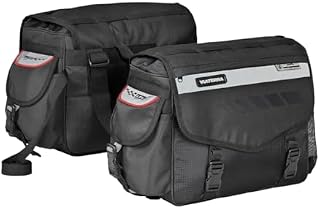
Motorcycle Saddle Bags Waterproof (Pair)
- Waterproof construction for all-weather touring
- Quick-release mounting system
- Reflective strips for night visibility
23. Recommended Maintenance Schedule
After restoring your used bike, follow this maintenance schedule to keep it running reliably.
| Interval | Maintenance Task | Estimated Cost |
|---|---|---|
| Every 500 km | Check tyre pressure, clean and lube chain | ₹100 |
| Every 1,000 km | Check oil level, inspect brake pads, check fasteners | Free (DIY) |
| Every 3,000 - 5,000 km | Engine oil and filter change, air filter inspection, valve clearance check | ₹1,000 - ₹2,500 |
| Every 5,000 - 8,000 km | Chain and sprocket inspection, brake fluid check, coolant check | ₹500 - ₹2,000 |
| Every 10,000 km | Spark plug replacement, brake pad inspection, fork seal check | ₹1,000 - ₹3,000 |
| Every 15,000 - 20,000 km | Chain and sprocket set replacement, brake fluid flush, coolant flush | ₹3,000 - ₹6,000 |
| Every 20,000 - 30,000 km | Wheel bearing inspection, steering bearing check, suspension service | ₹2,000 - ₹5,000 |
24. Estimated Restoration Budget
Here is a realistic cost estimate for restoring a used Indian motorcycle. Costs vary by brand, model, and condition.
Essential Restoration (Budget-Friendly)
Full Restoration (Thorough)
25. Final Checklist Before Daily Riding
Before you start riding your restored used bike daily, run through this checklist. Print it and stick it on your fridge if needed.
Daily Pre-Ride Check (30 Seconds)
Weekly Check (5 Minutes)
Monthly Check (15 Minutes)
Authenticity Tips from Our Team
- Never skip the engine oil change. Old oil is the number one cause of used bike engine problems.
- Do not replace parts that are in good condition. Inspect first, replace only if worn or out of specification.
- Keep receipts and records of all maintenance work. This helps track intervals and adds value when you eventually sell.
- A used bike that passes all 25 checks above is ready for years of reliable service.
- Invest in a good tool set early. It pays for itself within the first few maintenance cycles.
Frequently Asked Questions
A basic used bike service including engine oil, filters, and general inspection costs between ₹2,000 to ₹5,000 depending on the motorcycle brand and parts replaced. Doing it yourself can reduce this cost by 50-60%.
Yes. Always change the engine oil and oil filter as the first step. You cannot be certain about the last service date or oil quality used by the previous owner. This single step prevents most engine wear issues.
Check for abnormal noises (tapping, knocking), excessive smoke from the exhaust (blue smoke means burning oil), oil leaks, and how smoothly the engine idles. A compression test can also reveal engine health. White smoke on cold mornings is normal in winter.
Engine oil, oil filter, air filter, brake pads (if worn), spark plug, and chain lubricant should be replaced or serviced immediately. Other parts like battery, tyres, and cables should be inspected and replaced only if they show signs of wear.
Yes, if the motorcycle frame is rust-free and the engine is in reasonable condition. A systematic restoration costing ₹5,000 to ₹15,000 can make a used bike run like new. Compare this to the price of a new bike, and restoration is almost always the better financial choice.
Clean and lubricate the chain every 500-800 km, or after riding in rain or dusty conditions. In Indian monsoon conditions, you may need to do it more frequently. A clean chain lasts significantly longer and improves power delivery.
A well-maintained chain and sprocket set lasts 15,000 to 25,000 km. Neglected chains can wear out in as little as 5,000 km. Regular cleaning, lubrication, and proper tensioning are the keys to maximum chain life.
Absolutely. Many Indian commuters run used bikes for years without issues. The key is systematic maintenance following the checklist in this article. A well-maintained Hero Splendor, Honda Shine, or TVS Apache can easily serve 5-10 years of daily commuting.