Regular motorcycle servicing is one of the simplest ways to keep a bike reliable, safe and efficient. It helps identify worn components before they become expensive problems and can also maintain smooth engine performance, braking and handling.
But how often should you actually service a motorcycle? The answer depends on the bike, its engine, how frequently you ride and the conditions in which you use it.
For most motorcycles, servicing should be based on both time and kilometres ridden, following the maintenance schedule provided by the manufacturer.
How Often Should You Service a Motorcycle?
For many motorcycles, routine servicing is required roughly every 3,000–6,000 km or 6 months, while some newer motorcycles have longer service intervals. The exact interval varies considerably between models.
Your owner’s manual should always be the first reference because the manufacturer may specify different intervals for:
- Engine oil replacement
- Oil filter replacement
- Air filter cleaning or replacement
- Spark plug inspection or replacement
- Chain cleaning, lubrication and adjustment
- Brake inspection
- Coolant replacement
- Valve-clearance inspection
- Battery checks
- Tyre inspection
- Other model-specific components
If you ride very little, do not assume that servicing can simply be postponed indefinitely. Some maintenance items are time-dependent, not just distance-dependent.
Motorcycle Service Intervals at a Glance
| Type of maintenance | Typical frequency |
|---|---|
| Basic inspection | At regular service intervals |
| Engine oil | As specified by the manufacturer |
| Oil filter | Usually with scheduled oil changes |
| Chain cleaning and lubrication | Every few hundred kilometres or as needed |
| Chain adjustment | When excessive slack develops |
| Air filter | Inspect periodically; replace as required |
| Brake inspection | At every scheduled service and whenever performance changes |
| Tyre inspection | Regularly, ideally before longer rides |
| Battery inspection | Periodically, especially if the motorcycle sits unused |
| Coolant | As specified by the manufacturer |
| Valve clearance | At the manufacturer’s specified interval |
These are general guidelines rather than a replacement for the service schedule of a particular motorcycle.
Why Regular Motorcycle Servicing Matters
Top Picks for This Article
Handpicked from across DealPaglu — prices and offers may change.


1. It helps prevent expensive repairs
Small problems are generally easier to deal with than major failures. A loose chain, worn brake component, low fluid level or neglected engine oil can eventually cause more serious damage if ignored.
Routine servicing gives a mechanic an opportunity to identify these issues early.
Chain Cleaning Brush with Microfiber Cloths | 2-in-1 Bike & Motorcycle Chain Cleaner | Heavy Duty Nylon Bristles | Ideal for Bicycle, Bike & Cycle Maintenance
Small problems are generally easier to deal with than major failures. A loose chain, worn brake component, low fluid level or neglected engine oil can…
2. It keeps the engine running smoothly
Engine oil gradually becomes contaminated and loses some of its effectiveness. Changing it according to the manufacturer’s recommended interval helps maintain proper lubrication and protects internal engine components.
OTO2EYE Motorcycle Chain Cleaning & Maintenance Kit Chain Cleaner (150ml), Chain Lube (150ml), Bike Polish Spray (200ml), Chain Cleaning Brush & Microfiber Cloth | All-in-One Bike Care Accessories
Engine oil gradually becomes contaminated and loses some of its effectiveness. Changing it according to the manufacturer’s recommended interval helps…
3. It improves reliability
A motorcycle that is regularly maintained is less likely to develop avoidable problems during everyday commuting or longer rides.
This is particularly important if you depend on your motorcycle for regular transportation.
10-Amp Car Battery Charger, 12V and 24V Smart Fully Automatic Battery Charger Maintainer Trickle Charger w/ Temperature Compensation for Car Truck Motorcycle Lawn Mower Boat Marine Lead Acid Batteries
A motorcycle that is regularly maintained is less likely to develop avoidable problems during everyday commuting or longer rides. This is particularly…
4. It helps maintain braking and handling
Brakes, tyres, suspension components and the drive chain all affect how a motorcycle behaves on the road. Regular inspections can identify wear or adjustment problems before they become safety concerns.
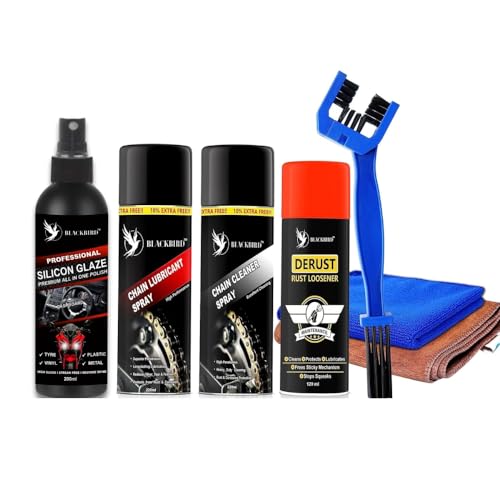
BLACKBIRD Bike Care Kit Chain Lube Spray 220ml, Chain Cleaner Spray 220ml, De-Rust 120ml, All in One Polish 200ml, Chain Cleaning Brush & 2 Pc Microfiber Cloth Motorcycle Cleaning Maintenance Combo
Brakes, tyres, suspension components and the drive chain all affect how a motorcycle behaves on the road. Regular inspections can identify wear or…
5. It can help maintain fuel efficiency
A poorly maintained motorcycle may not run as efficiently as one that is properly serviced. Correct tyre pressure, a clean air filter, properly adjusted chain and a healthy engine all contribute to efficient operation.
Does a Motorcycle Need Servicing If You Ride Very Little?
Yes.
If your motorcycle spends most of its time parked, it may accumulate relatively few kilometres, but some maintenance requirements are still affected by time.
Engine oil, brake fluid, coolant, battery condition and rubber components can deteriorate with age. A motorcycle that has been sitting unused for a long period may also require additional checks before regular riding.
If the bike has been stored for several months, it is sensible to inspect the battery, tyres, brakes, chain, fluids and fuel system before returning to regular use.
How Indian Riding Conditions Can Affect Service Frequency
The manufacturer’s recommended schedule should remain the starting point, but actual riding conditions can affect how quickly certain components wear.
Kangaroo Chain Lube & Chain Cleaner Combo | 500ml Each for Motorcycle & Bike Chain Maintenance | Advanced Lubrication & Powerful Degreaser | Complete Chain Care Solution
A poorly maintained motorcycle may not run as efficiently as one that is properly serviced. Correct tyre pressure, a clean air filter, properly adjusted…
Heavy traffic
Frequent stop-and-go riding places more stress on the clutch, brakes and engine cooling system than steady-speed riding.
Dusty roads
Dust can affect the air filter and accumulate around the chain and other components. Motorcycles frequently used on dusty roads may need more frequent cleaning and inspection.
Monsoon conditions
Frequent riding through rain and wet roads can accelerate chain corrosion and contribute to brake and electrical problems if maintenance is neglected.
Clean and lubricate the chain appropriately after riding through particularly wet or dirty conditions.
Extreme heat
High ambient temperatures and heavy traffic can put additional demands on the engine and cooling system. Make sure the correct engine oil and coolant, where applicable, are used according to the manufacturer’s specifications.
Poor road conditions
Potholes and rough roads can affect tyres, wheels, suspension components and steering. Riders who regularly use poor roads should pay particular attention to these areas.
What Is Checked During a Motorcycle Service?
The exact checklist differs between motorcycles, but a scheduled service may include several of the following.
Engine oil
The mechanic checks the oil level and condition and replaces the oil when required.
Always use the oil grade and specification recommended for your motorcycle.
Oil filter
The oil filter may be inspected or replaced according to the manufacturer’s service schedule.
Air filter
A dirty air filter can restrict airflow to the engine. Depending on the motorcycle and filter design, it may need cleaning or replacement.
Chain and sprockets
The drive chain should have the correct amount of slack and should be adequately lubricated.
The mechanic may also check for excessive chain or sprocket wear.
Brakes
Brake pads or shoes, discs or drums, brake fluid and related components may be inspected for wear or abnormalities.
Do not wait for the next scheduled service if braking performance suddenly changes.
Tyres
Tyres should be checked for:
- Correct inflation
- Tread condition
- Uneven wear
- Cracks or other visible damage
- Excessive age
Correct tyre pressure should be based on the manufacturer’s recommendation rather than the maximum pressure printed on the tyre sidewall.
Battery
The battery and charging system may be checked, particularly if the motorcycle has starting problems or spends long periods unused.
Suspension and steering
The front and rear suspension, steering components and related hardware can be inspected for leaks, looseness or unusual wear.
Fluids
Depending on the motorcycle, the service may include checks of brake fluid, coolant and other required fluids.
Spark plugs
Spark plugs are generally inspected or replaced at manufacturer-specified intervals rather than automatically at every service.
How Often Should You Lubricate a Motorcycle Chain?
Chain maintenance is more frequent than a typical scheduled service.
As a general practice, inspect the chain regularly and lubricate it according to the motorcycle manufacturer’s recommendations and the conditions in which you ride.
The chain may need attention sooner after:
- Riding in heavy rain
- Riding through muddy or dusty conditions
- Washing the motorcycle
- Long-distance rides
- Extended periods of regular use
Do not simply apply more lubricant to a dirty chain. Clean it appropriately first when necessary, then apply a suitable motorcycle chain lubricant.
Also check chain slack periodically. An excessively loose, tight or damaged chain should be corrected rather than ignored.
When Should You Service a Motorcycle Before the Scheduled Date?
The scheduled interval is not a reason to keep riding when something feels wrong.
Arrange an inspection sooner if you notice:
- Difficulty starting
- Unusual engine noise
- Excessive vibration
- Reduced braking performance
- A pulling sensation while braking
- Gear-shifting problems
- Clutch slipping
- Oil or coolant leakage
- Unusual smoke
- Poor fuel economy
- Chain noise or excessive slack
- Handlebar wobble
- Suspension problems
- Warning lights on the instrument panel
A motorcycle should be checked whenever there is a significant change in how it operates.
Common Motorcycle Servicing Mistakes
Waiting until something breaks
Servicing is preventive maintenance. Waiting for a component to fail can turn a relatively inexpensive maintenance job into a much larger repair.
Following only the kilometre interval
Time also matters for several maintenance items. Check both the distance and time requirements in the owner’s manual.
Using the wrong engine oil
Different motorcycles require different oil grades and specifications. Using an unsuitable oil simply because it is cheaper or readily available is not a good maintenance strategy.
Ignoring the chain
The chain is exposed to dirt, water and road debris. Neglecting it can accelerate wear on both the chain and sprockets.
Skipping brake inspections
Brake components wear gradually, and riders can become accustomed to changes in braking feel. Regular inspection is important.
Over-servicing without reason
Regular maintenance does not mean replacing every component at every visit. Parts should be replaced based on manufacturer recommendations, inspection results, wear and condition.
Choosing a workshop only because it is cheaper
For routine work, cost matters, but the quality of the work matters too. Use a qualified technician who understands your motorcycle and follows the appropriate service procedures.
Should You Service Your Motorcycle at an Authorised Service Centre?
An authorised service centre can be particularly useful when the motorcycle is under warranty, requires model-specific diagnostics or needs manufacturer-specific procedures.
For routine maintenance on an older motorcycle, a reputable independent workshop may also be suitable.
Whichever option you choose, keep records of:
- Service dates
- Kilometres
- Oil changes
- Parts replaced
- Major repairs
- Other scheduled maintenance
Good maintenance records can also be useful when selling the motorcycle.
How to Keep Your Motorcycle in Good Condition Between Services
You do not need to wait for the next service appointment to check your motorcycle.
A simple routine can include:
- Check tyre pressure regularly.
- Inspect the chain and lubricate it when required.
- Check engine oil level as recommended.
- Look for fluid leaks.
- Pay attention to changes in braking or handling.
- Keep lights, indicators and mirrors in working condition.
- Clean the motorcycle, particularly after riding through mud or heavy rain.
- Follow the manufacturer’s maintenance schedule.
These small checks can help you identify problems before they become more serious.
FAQs
Can I service my motorcycle later than the recommended interval?
Occasionally exceeding the recommended interval may happen, but it should not become a habit. Regular maintenance is intended to prevent wear and problems, so it is better to follow the manufacturer’s schedule as closely as practical.
Should I service my motorcycle every 3 months?
Not necessarily. Some motorcycles have shorter or longer service intervals. Check the owner’s manual rather than applying a three-month rule to every motorcycle.
Is servicing based on kilometres or time?
It can be based on both. Manufacturers commonly specify an interval using kilometres, months or whichever comes first. Always check the service schedule for your specific motorcycle.
Does a new motorcycle need regular servicing?
Yes. New motorcycles generally have an initial service schedule followed by subsequent periodic maintenance. Do not skip the early services simply because the motorcycle is new.
What happens if I don’t service my motorcycle?
Neglected maintenance can lead to increased wear, poorer performance, reduced reliability and potentially expensive repairs. Safety-related components such as brakes, tyres and the chain can also become hazardous if their condition is ignored.
How often should I check my motorcycle before riding?
A quick visual inspection is useful before regular rides, particularly before longer journeys. Check the tyres, brakes, lights, chain and any obvious fluid leaks. More detailed maintenance should follow the manufacturer’s schedule.
Is engine oil the only important motorcycle service item?
No. Engine oil is important, but servicing also involves components such as brakes, tyres, chain and sprockets, air filter, battery, fluids, suspension and other motorcycle-specific parts.
Final Verdict
There is no single service interval that applies to every motorcycle. The safest approach is to follow the manufacturer’s recommended schedule based on both kilometres and time, while adjusting inspections when your riding conditions are particularly demanding.
Regular checks between scheduled services are equally important. Pay attention to the chain, tyres, brakes, fluids, battery and any changes in engine or riding behaviour.
Most importantly, do not treat servicing as something that only needs to happen when a motorcycle develops a problem. Preventive maintenance is usually easier, safer and less expensive than repairing damage caused by neglected maintenance.